It’s not every day you get to speak with the theorists and thought leaders who have been among the most influential in your work. But this summer, I had that distinct pleasure. Twice!
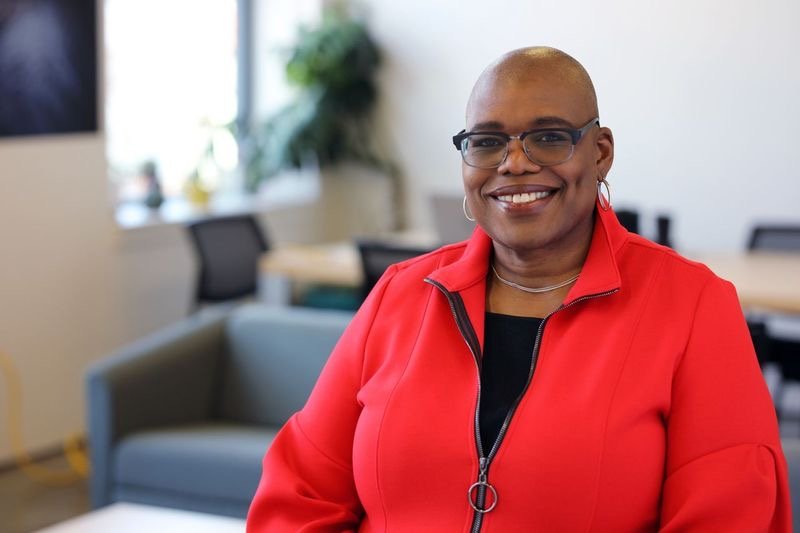
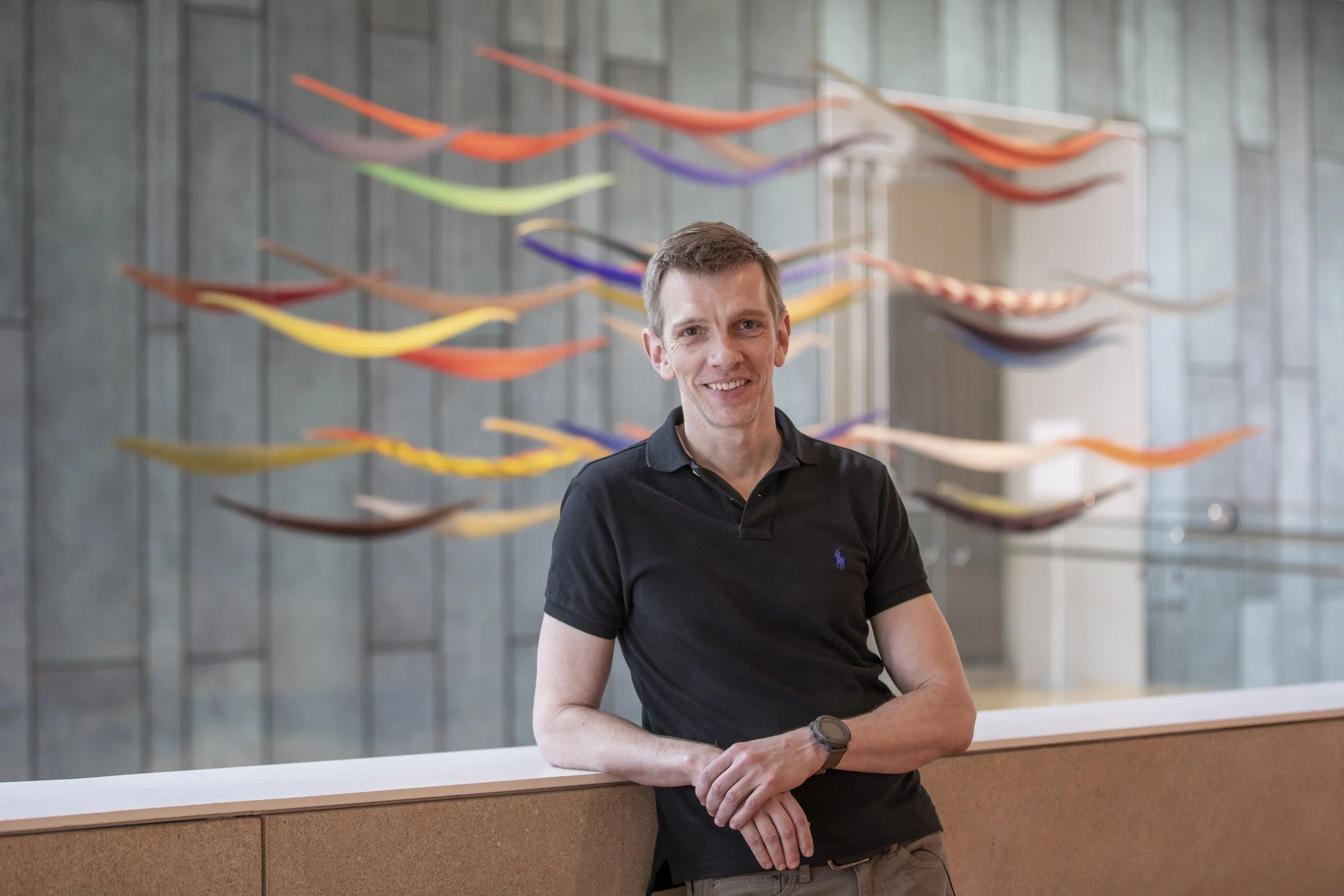
In one of the most enjoyable conversations I’ve had, I spoke with Professor of Story Science at Ohio State University, Angus Fletcher, PhD. To kick off this fall’s issue of MAPP Magazine, we’re pleased to share this conversation. In it, Angus and I discussed his own story; where artificial intelligence will always fall short of narrative intelligence; and how we can apply the science of story not only to think, work, and communicate better, but also to live better and richer lives.
Jackie was born in Big Bear Valley and remained a permanent resident her entire life. She met her first love there; his name was Mr. B. Early in their relationship, a persistent younger suitor named Shadow charmed his way into Jackie’s heart. Jackie was reluctant at first, but soon she became defenseless against Shadow’s steady attention, thoughtful gifts, and clear desire to build a forever together.

I come from a people who love to tell long, delicious stories. We gather around tables overflowing with stuffed cabbages and neatly wrapped grape leaves, and talk for so many hours that we return home with hoarse voices begging for hydration. As a child (and now adult) of the Armenian diaspora, I became fascinated by the stories that my family introduced into every banal moment, the narrative version of injecting small doses of meaning throughout the day. A breakfast recipe became a reminder of how my grandfather liked his omelets (drizzled with honey, apparently), and a vase embellished with red carnations turned into a discussion on Armenian death rituals.
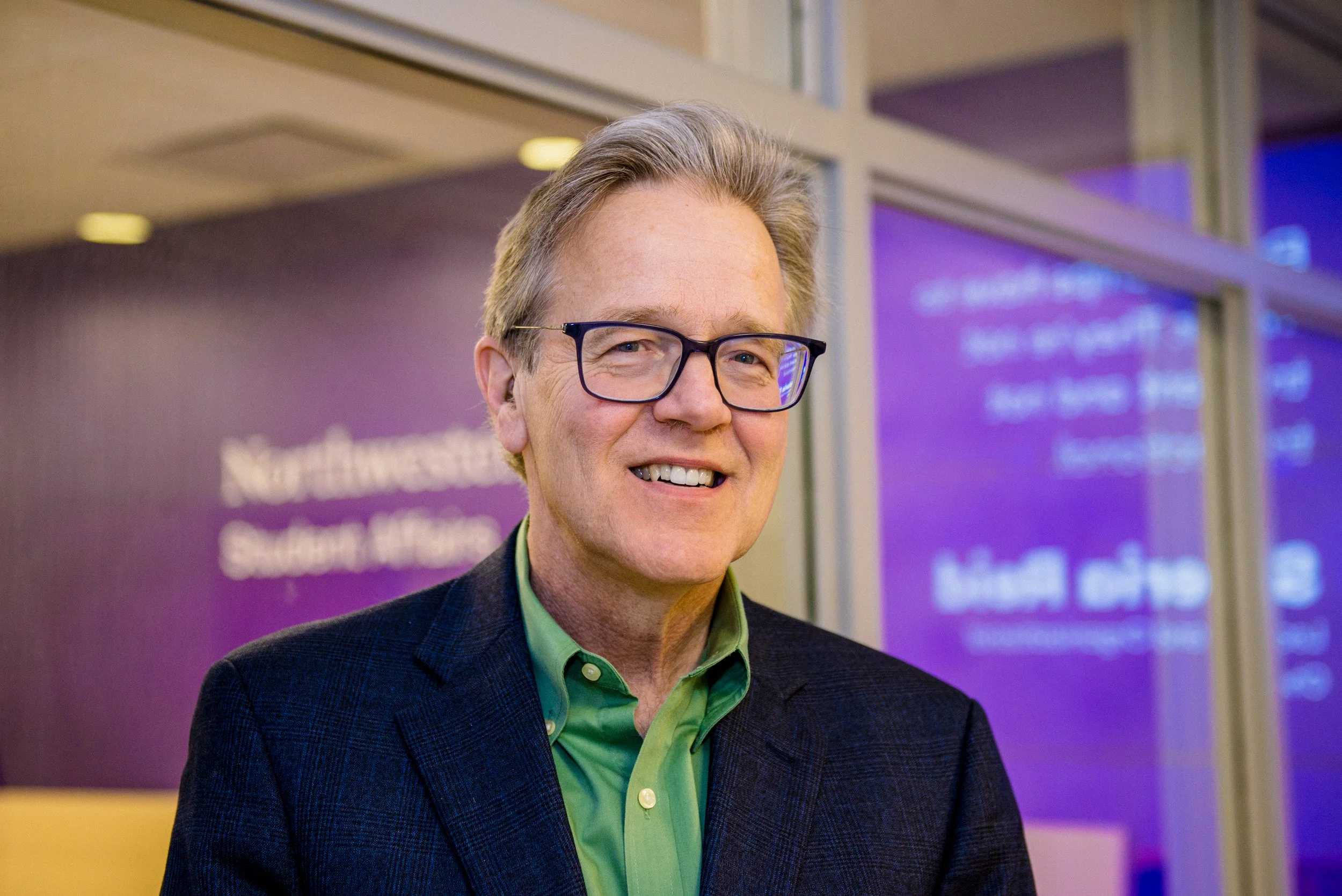
Storytelling has been around a while. Long before your parents, your grandparents, or their grandparents’ great-grandparents, parts of your own story have not only been told, they’ve likely influenced life as you’ve known it. And as you’ve read in this issue of MAPP Magazine, the stories we tell—and think—can also quite powerfully inform how we see and experience ourselves and what’s possible. Among the pioneering, most prolific, and most influential scholars to research these ideas—of life as story and identity as narrative—is Dan P. McAdams, PhD. To close this issue of MAPP Magazine, please enjoy our fascinating conversation with him.